Tag: Technology

  • Exploring Innovation: My Experience at the Manila STEAM Convention

    Behind the Lens: My Experience at the Manila STEAM Convention
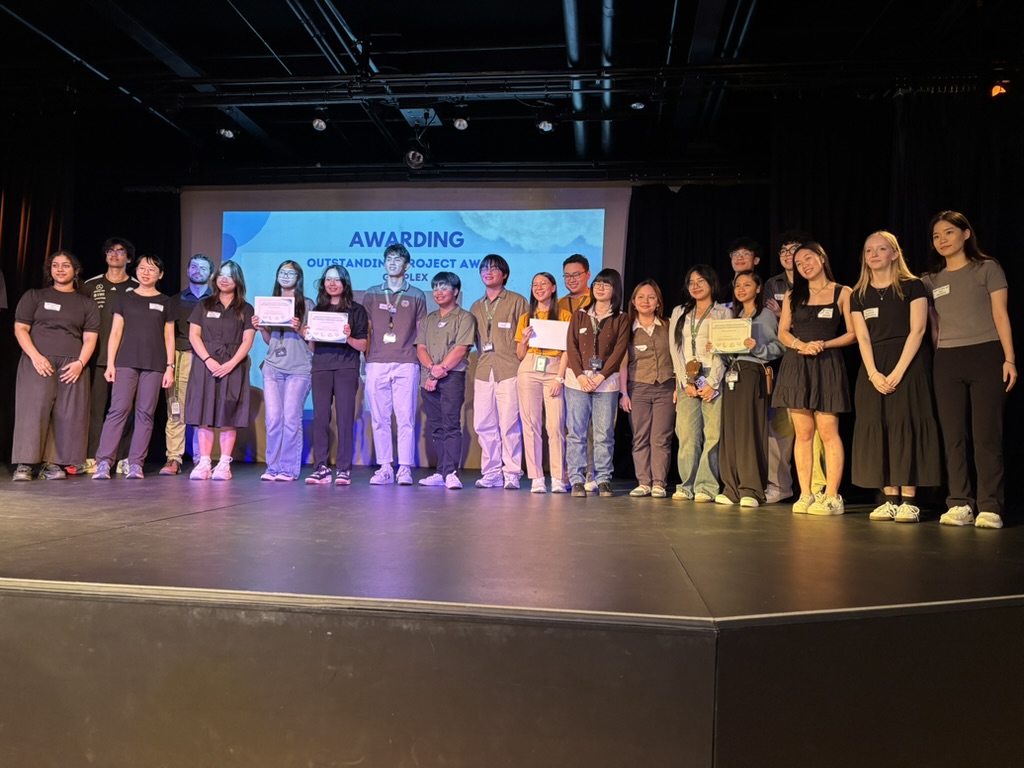
    A couple of weeks ago, I had the exciting opportunity to attend the Manila STEAM Convention, hosted by my school, International School Manila. This event brought together high school students from different schools to present their innovative projects and research in Science, Technology, Engineering, Arts, and Math.

    I was part of the STEM clubs (a club in my school that focuses on STEM based events and opportunities) media team, helping with hosting, escorting guests, and capturing the moments through photos. Being on the media team gave me a unique perspective—I got to witness not just the incredible projects, but also the enthusiasm and creativity of my peers firsthand.

    The day started with career-focused seminars from professionals in various fields. These talks were both practical and inspiring:
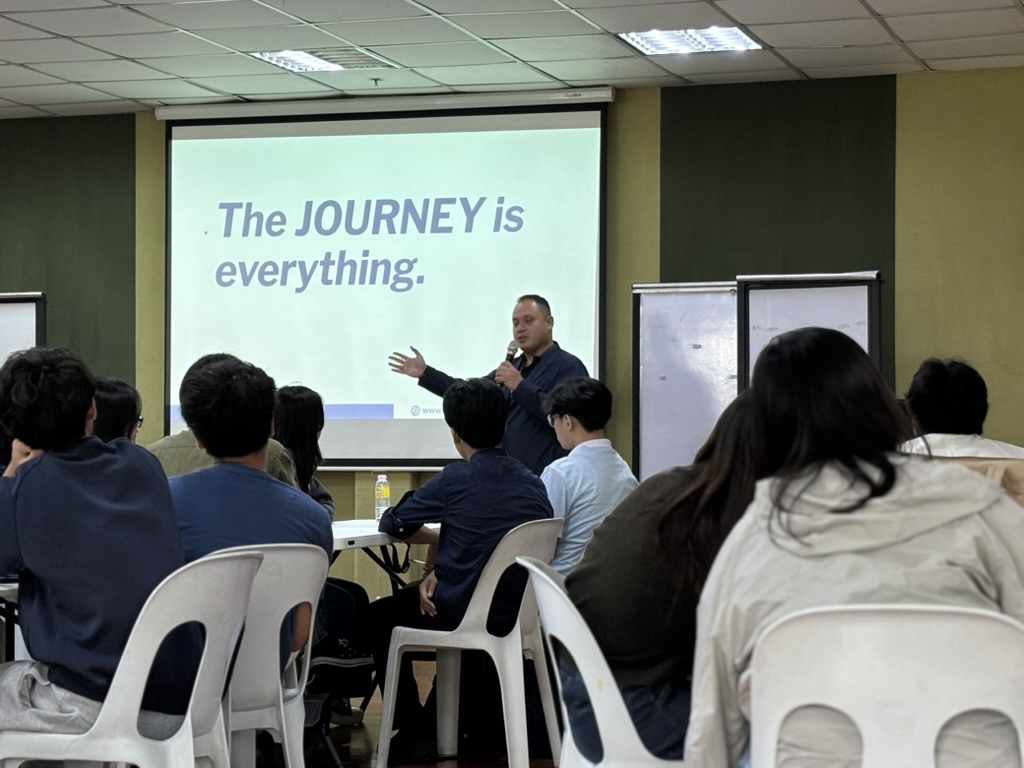
    • Gerile Mendoza, a seasoned software engineer, shared her experience with “vibe coding,” explaining how to use GitHub CoPilot and other vibe code softwares.
    • Dr. Gene Tiongco, the Associate Director of the Physician Relations Group of St Luke’s Medical Center and a seasoned plastic surgeon walked us through the long journey from medical school to clinical practice, emphasizing a passion for helping others, hard work and endurance, and real-world experience.
    • The FRC team 9715, the first FRC robotics team from the Philippines, shared insights about competing in international robotics competitions.

    Hearing directly from professionals helped me understand what it takes to succeed in STEAM careers and gave me concrete advice for my own future.

    After the seminars, the convention transitioned into the science fair, where high schoolers presented their research and innovations. A few projects stood out in particular:
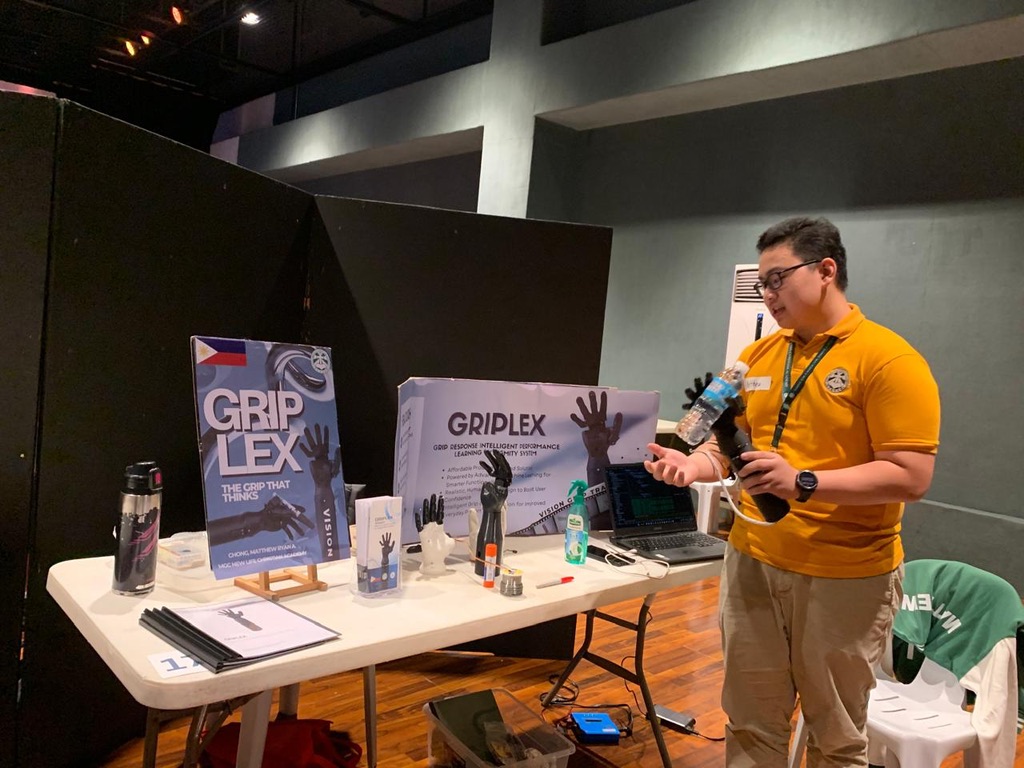
    • A team designed a 3-D printed prosthetic arm called Gripflex that could be easily taken on and off, combining engineering skill with practical medical applications. This was one of my favorite presentations by far.
    • Another group presented on trusses, explaining their structure and real-world uses in engineering and architecture.
    • One student researched AI models to diagnose brain tumors from MRIs. Instead of training three separate AI models for three different angles, they discovered that training a single AI model with multiple angles was much more efficient, showing the potential of AI to streamline medical diagnostics.
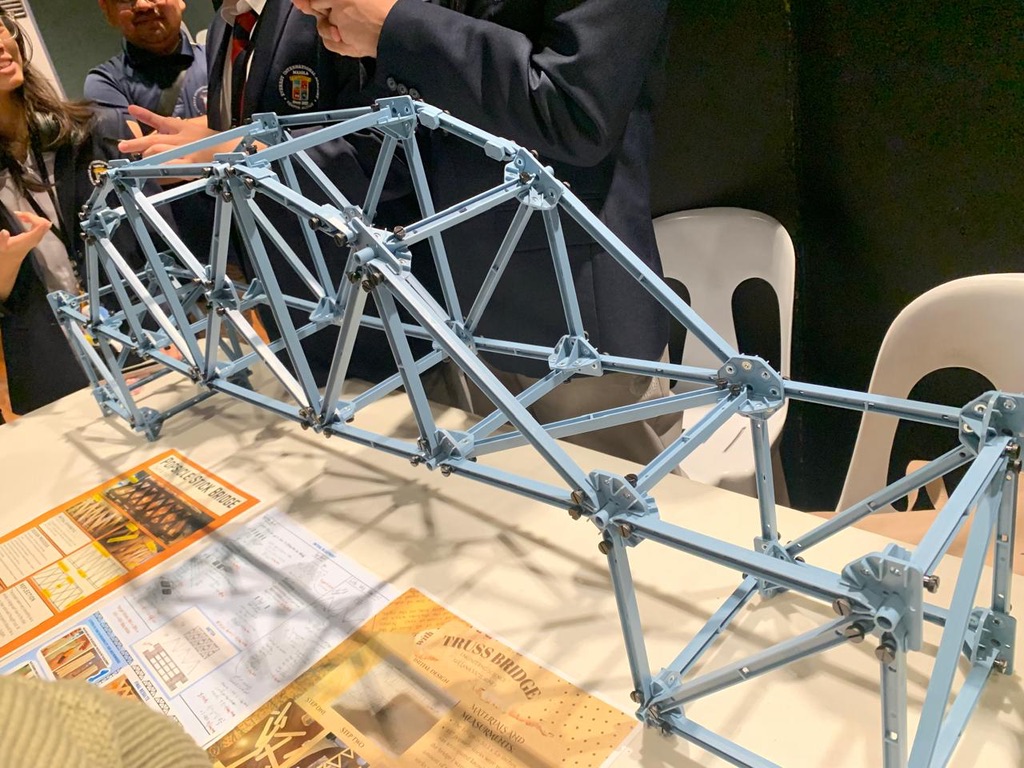
    It was amazing to see the creativity, problem-solving, and technical skill that went into each project. Being able to photograph and document these presentations gave me a front-row view of innovation in action.

    Being part of the media team meant I wasn’t just observing—I was actively contributing. I helped with hosting, escorting presenters, and capturing photos of key moments. One of my favorite parts was photographing students as they demonstrated their projects. Seeing their excitement and pride firsthand was incredibly rewarding.

    The convention was a powerful reminder of how much passion, dedication, and creativity students and professionals bring to STEAM fields. I left inspired by both the projects and the career seminars. My role on the media team also gave me a new appreciation for teamwork and event coordination. Overall, it motivated me to explore my own projects and consider how I can contribute to STEAM in meaningful ways.

    The Manila STEAM Convention was more than just an event—it was a celebration of curiosity, creativity, and collaboration. From career seminars to student innovations, I felt inspired and motivated throughout the day. Being part of the media team allowed me to witness these moments up close, and I can’t wait to see the next generation of innovators present their ideas at future conventions.

  • Musings on my Advocacy for Change

    My Advocating For Change (AFC) project was a hugely anticipated one in my school. It served as a capstone project designed to conclude our journey through middle school. This project not only allowed us to showcase our knowledge and skills but also provided an opportunity to present and advocate for a problem or solution that we are deeply passionate about.

    I chose to advocate for increased investment and involvement in space-based solutions to combat climate change in the United States, a pressing issue that demands our immediate attention. Throughout my presentation, I elaborated on the various innovative solutions that space technology can offer, such as Space-Based Solar Power (SBSP), which harnesses solar energy from above the Earth’s atmosphere, providing a clean and virtually limitless energy source. Additionally, I discussed how satellite technologies can enhance our understanding of climate patterns, monitor environmental changes, and improve disaster response, all of which are crucial in our fight against climate change. By connecting these advanced technological solutions to real-world applications, I aimed to inspire my peers and teachers to recognize the importance of investing in space-based initiatives as an effective approach to addressing one of the most significant challenges of our time.

    I first started by researching the sectors that contribute to greenhouse gas emissions. Surprisingly, the electricity sector is the second-largest contributor to greenhouse gas emissions in the US, accounting for a significant portion of the overall emissions. This sector includes a variety of energy sources, each with its own environmental impact. Fossil fuels, such as coal and natural gas, are primarily responsible for these emissions, as their combustion releases large amounts of carbon dioxide into the atmosphere. Moreover, the continued reliance on these non-renewable energy sources highlights the urgent need for a transition to cleaner alternatives, such as wind, solar, and hydroelectric power. The shift towards more sustainable energy production not only has the potential to reduce greenhouse gas emissions but also to foster economic growth and job creation in the renewable energy sector.

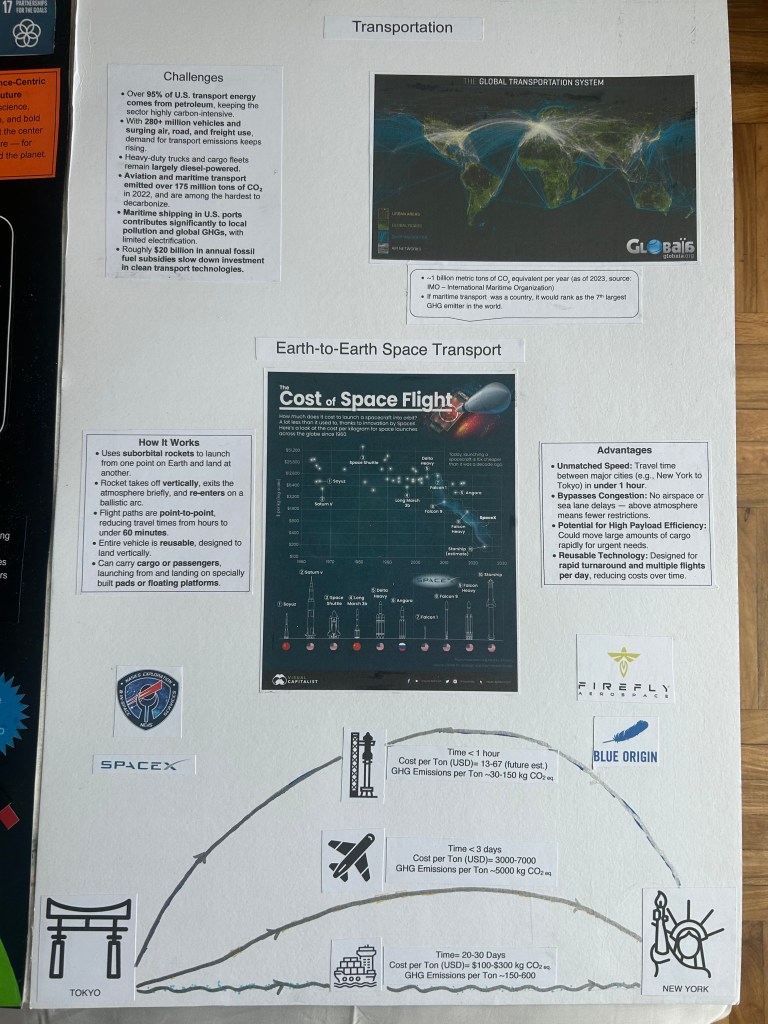
    After researching the causes, I explored space-based solutions that could contribute to reducing emissions in the US, particularly in the context of climate change and the urgent need for sustainable energy alternatives. I found many solutions, but three powerful ones stood out to me: Space-Based Solar Power, Earth-to-Earth transport, and in-space manufacturing. Space-Based Solar Power (SBSP) harnesses solar energy and transmits it back to receiving stations on Earth by converting the energy into microwaves, which can then be converted back into electricity for widespread use. This innovative approach not only captures the vast energy available in space without atmospheric interference but also offers a continuous power supply, unaffected by day-night cycles or weather conditions. In addition to this, Earth-to-Earth transport solutions are being developed to efficiently move goods and materials while minimizing carbon footprints, and in-space manufacturing is paving the way for creating products in orbit, reducing the need to launch materials from Earth altogether. Together, these advancements could significantly revolutionize how we approach energy and resource management on our planet.

    After conducting thorough research into the topic, I carefully organized my findings in a visually engaging trifold (see the above pictures), which provides a concise overview of the key points. In addition, I prepared a speech to effectively appeal to students, teachers, and parents, highlighting the significance of the subject matter.

    Working on this project was more than just a school assignment. It was an opportunity to explore and enhance my knowledge of a topic that I deeply care about. It challenged me to think critically, expand my research skills, and communicate ideas that not only matter to me but also to the future.